
Trinity
Photos and Images - Gen1 - Gen2 - Gen3 - Gen4
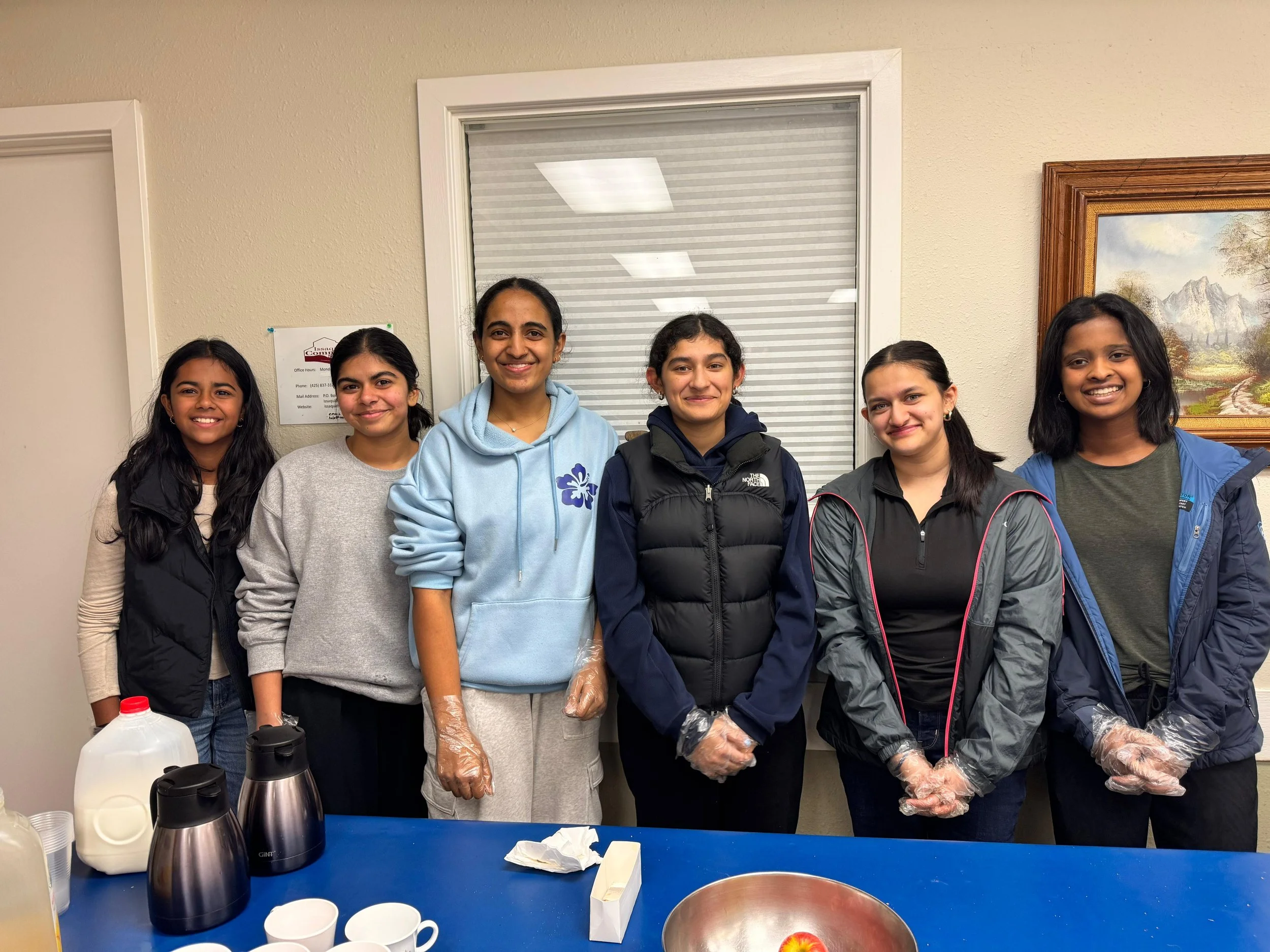
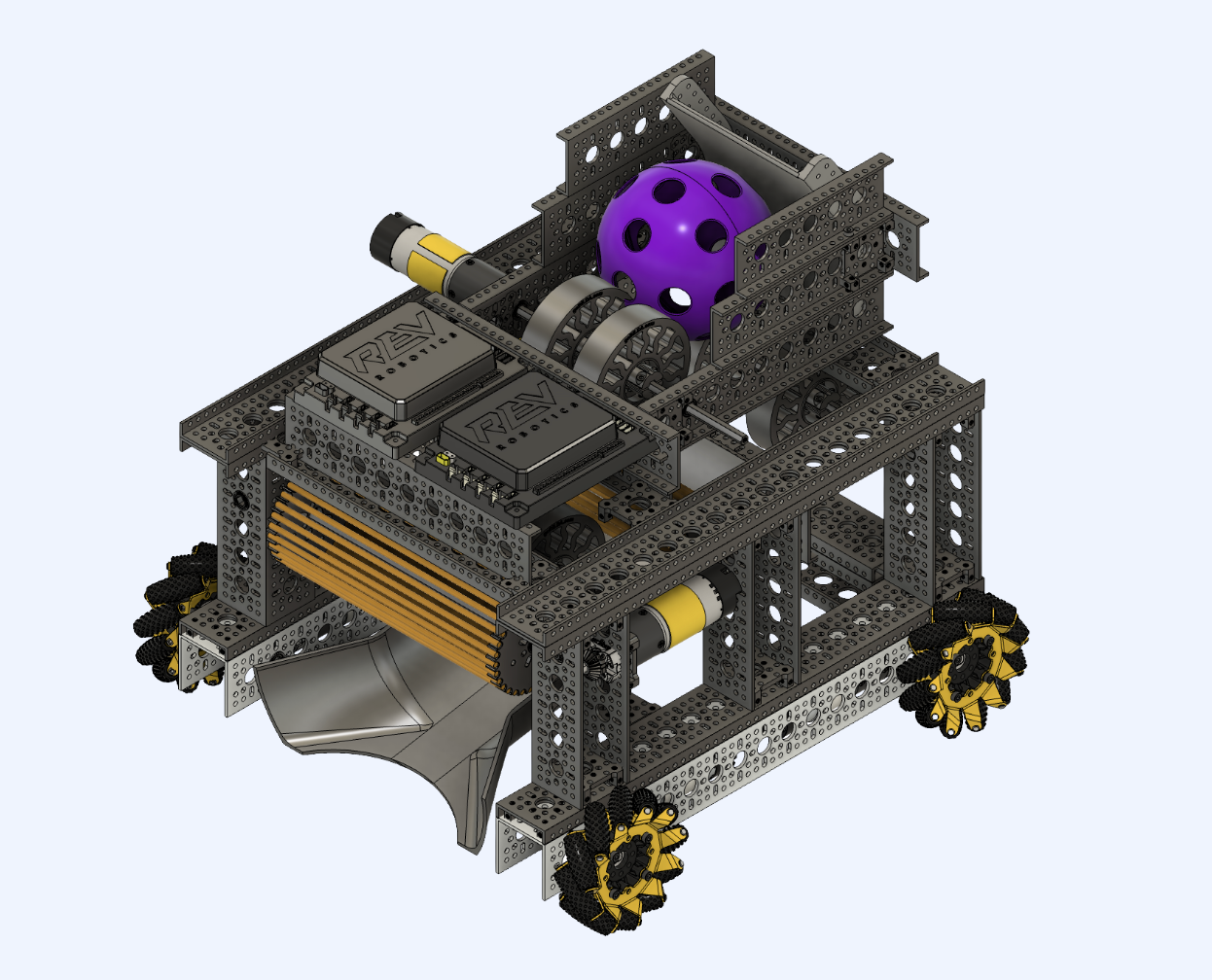
Trinity is the second official bot of Matrix Robotics.
The FIRST Tech Challenge (FTC) Decode is the 2025-2026 season's exploration-themed game where robots score green and purple artifacts into a central goal and release them to form patterns that match a randomly generated code displayed by an obelisk.
The game featured an autonomous period followed by a two-minute teleoperated period, with human players assisting the alliances by attaching clips to samples to form specimens.
Our Mechs
Intake:
Goal: Smoothly and quickly intake 3 balls (<3s) and store them without interfering with other mechanisms.
Prototyping: Tested wheel rollers vs. surgical tubing; early designs used vertical rollers to push balls up a wall.
Final Design:Multi-roller intake (1 wheel + surgical tubing rollers) powered by one motor, moving balls up a 3D-printed ramp that stores 3 balls.
Improvements: Added center roller, larger intake opening, and rear curve with larger final roller to better feed balls to the outtake.
Transition:
Goal: Create a quick, reliable, and simple mechanism to move balls from intake to outtake.
Prototypes
Slide + directing wheel: Ball often fell out and couldn’t store 3 balls.
Cup holder (servo indexed):PID precision issues and unreliable ball transfer.
Dual ramp with gates: Balls bounced onto outtake plate and moved too slowly.
Final Design – Ramp Curve with Rollers (Gen 4)
Ball moves up a curved ramp, held by back wheels, then reverse wheels + roller send it to outtake.
Optimized ramp angle for smooth lift and consistent transfer.
Benefits: simple design, <2s transition, fewer jams, consistent ball placement.
Outtake:
Goal: Score quickly (7s cycle), consistently (95%+), and accurately.
Prototyping
Built early prototypes with cardboard and goBILDA channels, then tested designs in CAD animations.
Tested flywheel outtake spacing, hood, and RPM.
Iterated to a dual-wheel flywheel and improved compression and funneling.
Final Design – Flywheel Outtake
6000 RPM flywheel + custom 3D-printed hood (55.7° launch angle) for fast, long-range shots.
Tuned compression, hood angle, and exit gap to reduce Magnus-effect backspin and improve consistency.
Achieved ~83% scoring accuracy in practice.
Software:
Road Runner: Used for precise autonomous path following with mecanum kinematics and PIDF-controlled trajectories, allowing smooth movement and consistent positioning.
Odometry Localization:GoBilda Pinpoint two-wheel odometry + IMU tracks the robot’s x, y, and heading, enabling real-time corrections and reliable autonomous navigation.
Vision Control (AprilTags): Detects distance, bearing, and heading to the goal to automatically rotate the robot, adjust flywheel RPM, and confirm alignment before shooting.
Driver Presets: Automation features reduce driver workload and speed up cycles.
Auto-Aim: Robot automatically aligns to the goal.
Three-Shot Burst: Fires staged balls with timed spacing for consistent speed.
Auto Intake: Runs intake until a ball is staged.
Clear Jam Macro: Reverses intake/elevator to remove jams.
Outreach:
Gracious Professionalism: Team identified gaps in FTC rules, consulted FIRST Washington, and influenced the creation of Rule E102 – Be Nice for clearer expectations.
Community Engagement:
Issaquah Salmon Days: Hosted booth since rookie year; interacted with 200+ families, let 5+ students drive our robot, collaborated with 90+ all-girls teams, and invited other FTC teams to participate.
#FIRSTLikeAGirl Ambassadors:
Promote STEM awareness by sharing stories of inspiring women in FIRST, through tabling, interviews, and social media.
Empower girls to pursue STEM and become leaders in the FIRST community
.
Shifting the Stats in STEM:
Highlighted gender gaps with data-driven content; reached 10k+ accounts and 1,000+ followers across social media.
Women in STEM Interviews:
Conducted interviews with experienced FTC/FRC girls, providing visible role models and inspiring girls to pursue STEM careers.